The Teenage Phase: Training Your Adolescent Dog
Your perfect puppy suddenly forgot everything? Welcome to adolescence. Why it happens and how to get through it.
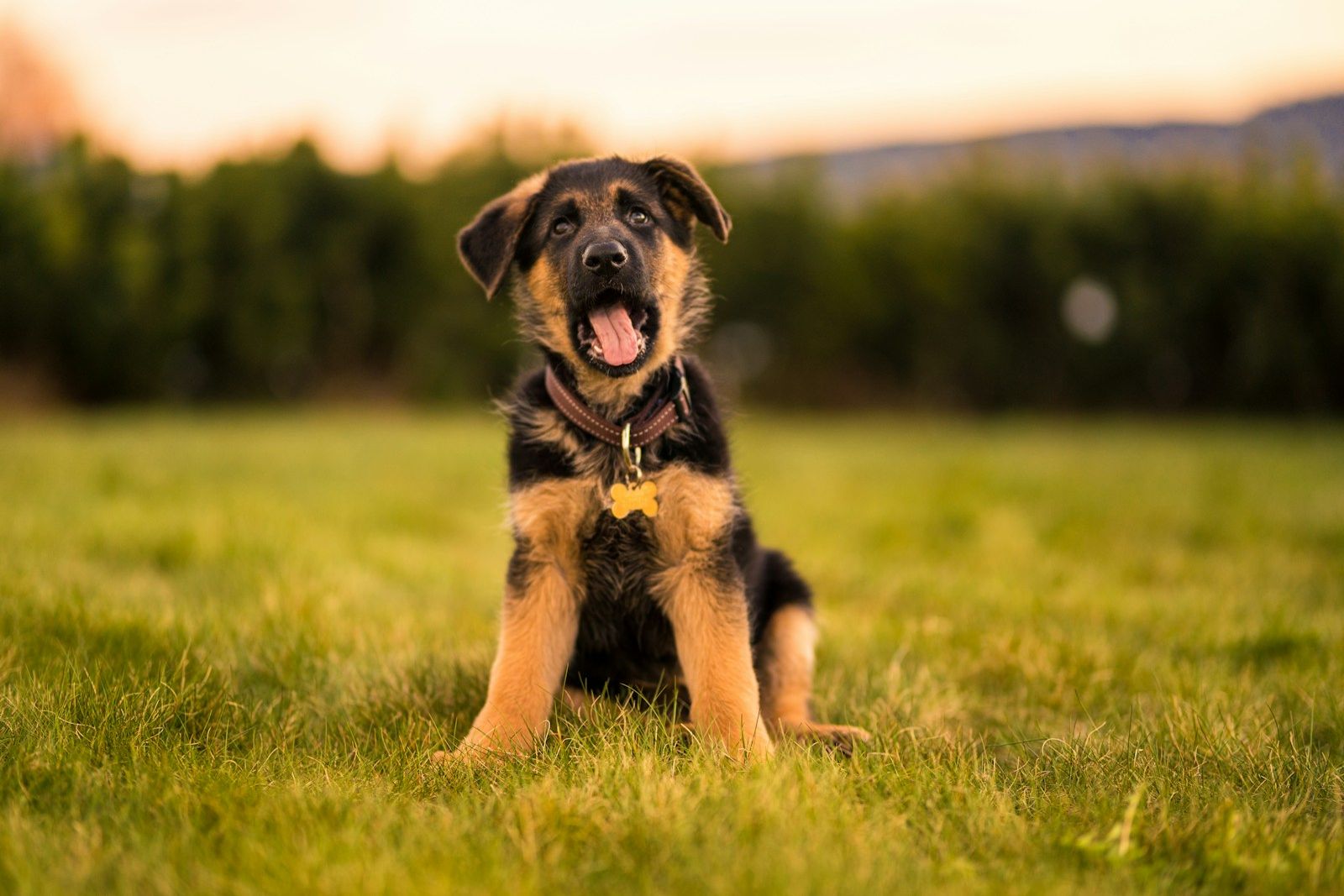
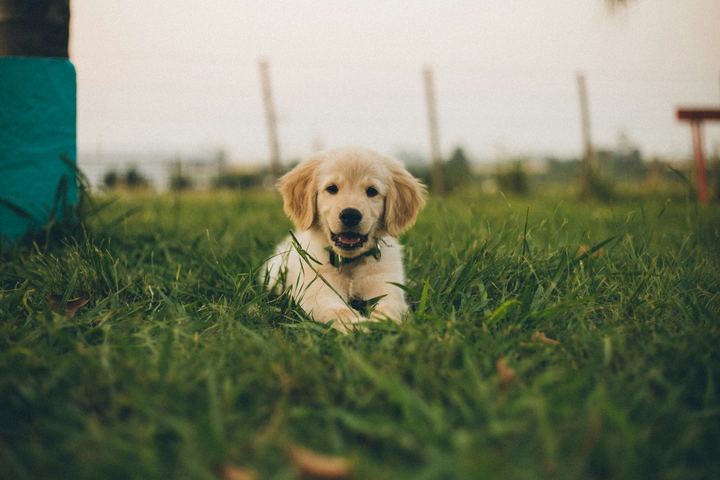
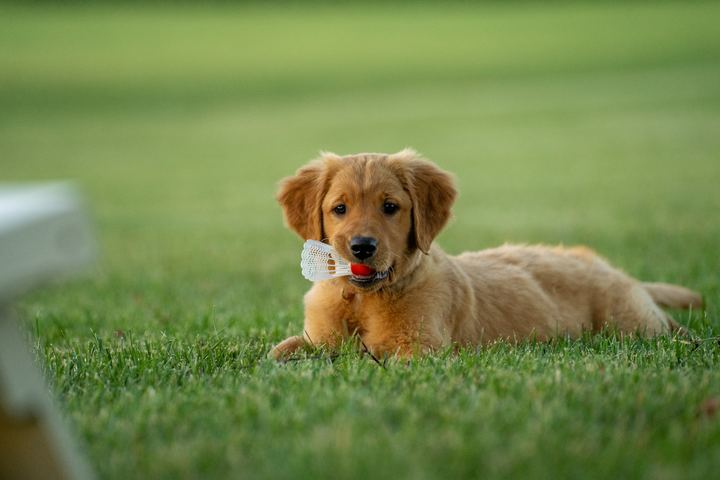
Between roughly 6 and 18 months (later for large breeds), many dogs go through an adolescent phase. Recall that was perfect gets ignored, pulling gets worse, and your dog seems to have forgotten their name. It's normal, and it passes, especially if you keep training through it.
What's going on
- Hormones and brain development: adolescent dogs are more impulsive, distractible and interested in the world.
- New confidence: they explore further and test what works.
- Fear periods: many dogs go through a phase of sudden wariness of new things.
- More energy and need for activity.
How to get through it
- Go back to basics. Make training easier again: shorter distances, fewer distractions, better rewards.
- Keep the long line for recall until it's solid again. See recall.
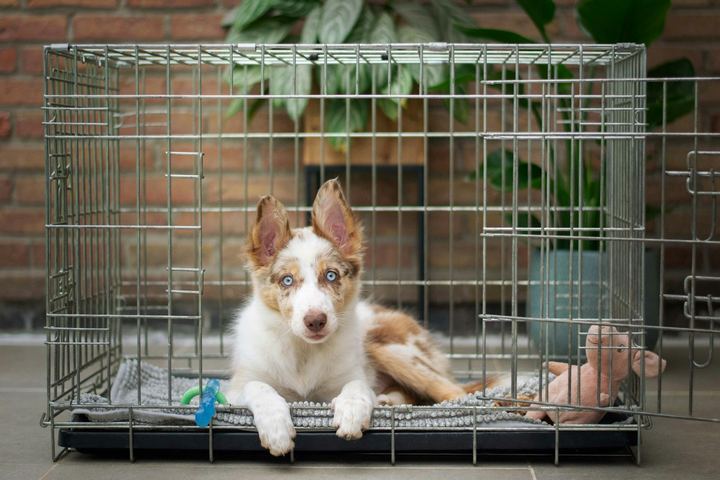
- Manage more: gates, crates and leashes prevent bad habits from forming.
- Meet the energy needs with exercise, sniffing walks and brain games.
- Keep socializing, gently and positively.
- Teach calm: practice "settle on a mat." See calming a hyper dog.
- Be patient. Frustration and punishment make adolescence harder.
Common teenage issues
- Ignoring recall → long line and high-value rewards
- Pulling on the leash → loose-leash plan
- Jumping on visitors → greeting plan
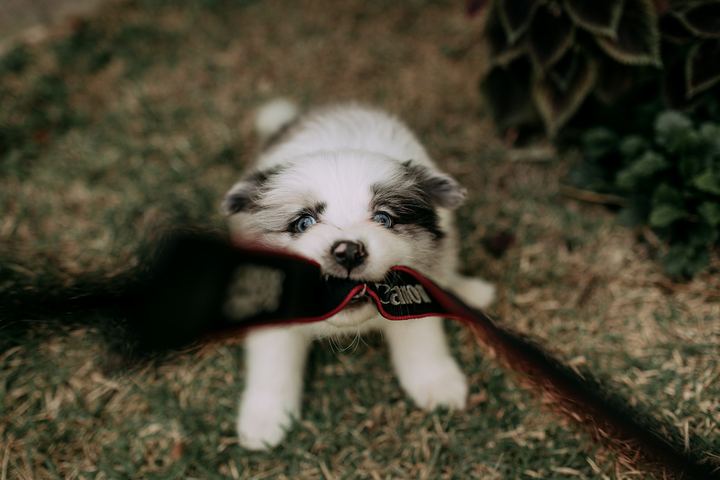
- Chewing → chewing plan
- New fears or reactivity → keep distance and work at your dog's pace; see reactivity
If you see sudden aggression, or fear that's getting worse, talk to your vet and a qualified trainer early.
This guide is general information, not veterinary advice. If your dog is sick, hurt or acting unusually, call your veterinarian.