How to Teach Your Dog to Come When Called
A reliable recall can save your dog's life. How to make "come" the best word your dog knows, and the mistakes that ruin it.
This guide contains affiliate links. If you buy through them we may earn a small commission at no cost to you. Details.
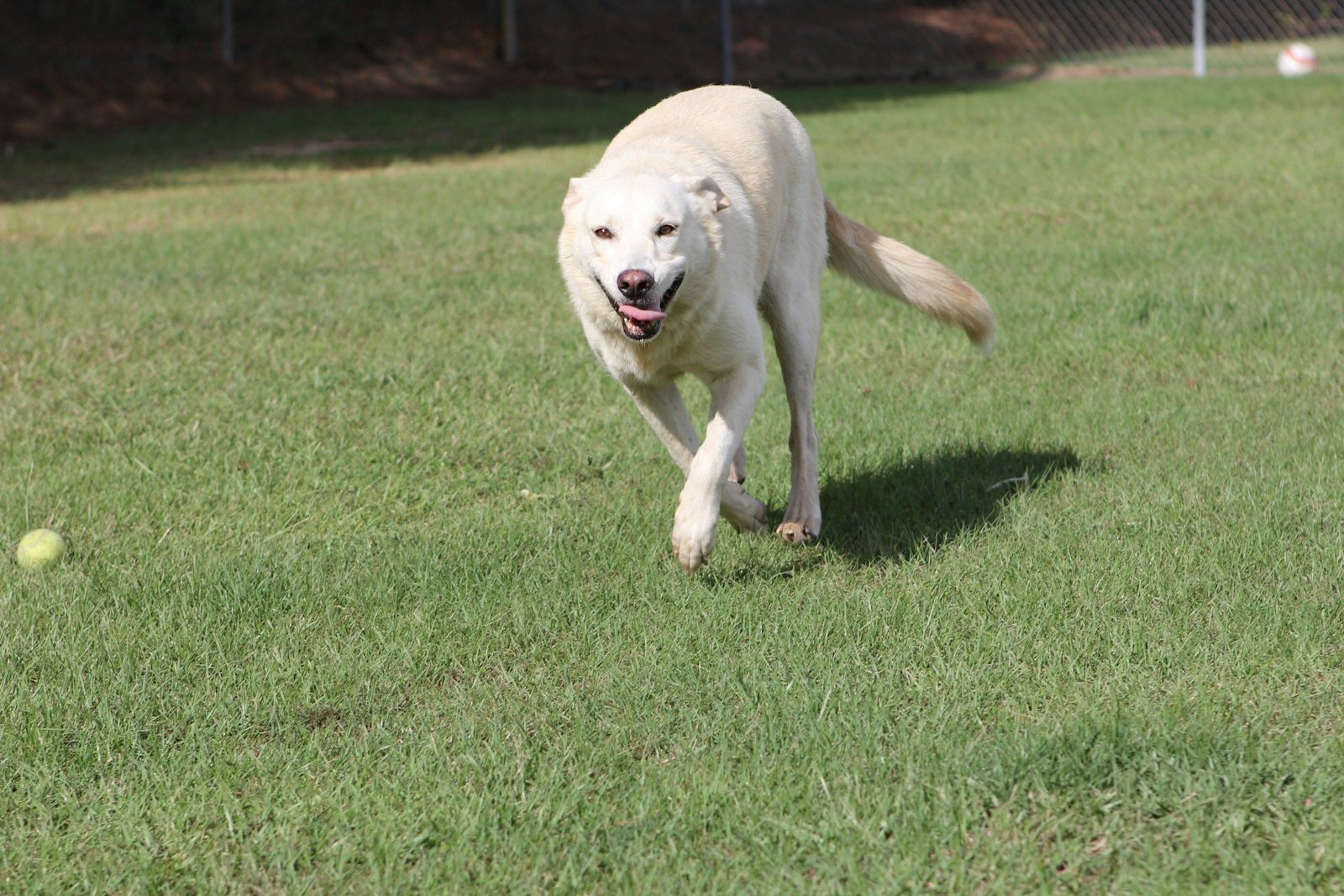
A great recall isn't about obedience. It's about making coming to you more rewarding than anything else going on. That takes practice, generosity and never letting "come" mean something bad.
The rules
- Coming to you always pays. Use your best treats: chicken, cheese, hot dog pieces. High-value training treats
- Never call your dog for something unpleasant: baths, nail trims, ending fun, or being told off. Go and get them instead.
- Don't call if you can't make it happen. Every ignored recall teaches your dog the word is optional.
- Don't chase. Run away from your dog instead; most dogs follow.
Step by step
- Charge the word. In a quiet room, say "come" (or a whistle) and immediately give a treat. Repeat 10 times. You're building a happy association.
- Short distances indoors. Say your cue when your dog is a few feet away. Reward and praise big when they reach you, and touch their collar as you treat so being caught is part of the game.
- Recall games: two people take turns calling the dog back and forth across a room or garden.
- Outdoors on a long line. Use a 15–30 foot line in a park or field so your dog can't practice running off. Long training lines
- Add distractions slowly: call when your dog is mildly interested in something, not when they're chasing a squirrel.
- Release back to fun. Often, after rewarding a recall, let your dog go back to sniffing or playing. Coming back doesn't always mean the fun ends.
Practice the emergency recall
Pick a special word or whistle for emergencies only and pair it with a jackpot: lots of treats, one after another. Practice it occasionally so it stays powerful.
Common problems
- Dog comes but stops just out of reach: reward closer to your body, and practice collar touches with treats.
- Ignores you at the park: go back to the long line and easier distractions.
- Great at home, terrible outside: normal. Outside is much more exciting. Practice in lots of places.
See also: should you let your dog off the leash?
This guide is general information, not veterinary advice. If your dog is sick, hurt or acting unusually, call your veterinarian.