How to Stop Your Puppy (or Dog) Destroying Things
Chewing is a need, not a vice. How to give it the right outlet and protect your shoes, furniture and cables.
This guide contains affiliate links. If you buy through them we may earn a small commission at no cost to you. Details.
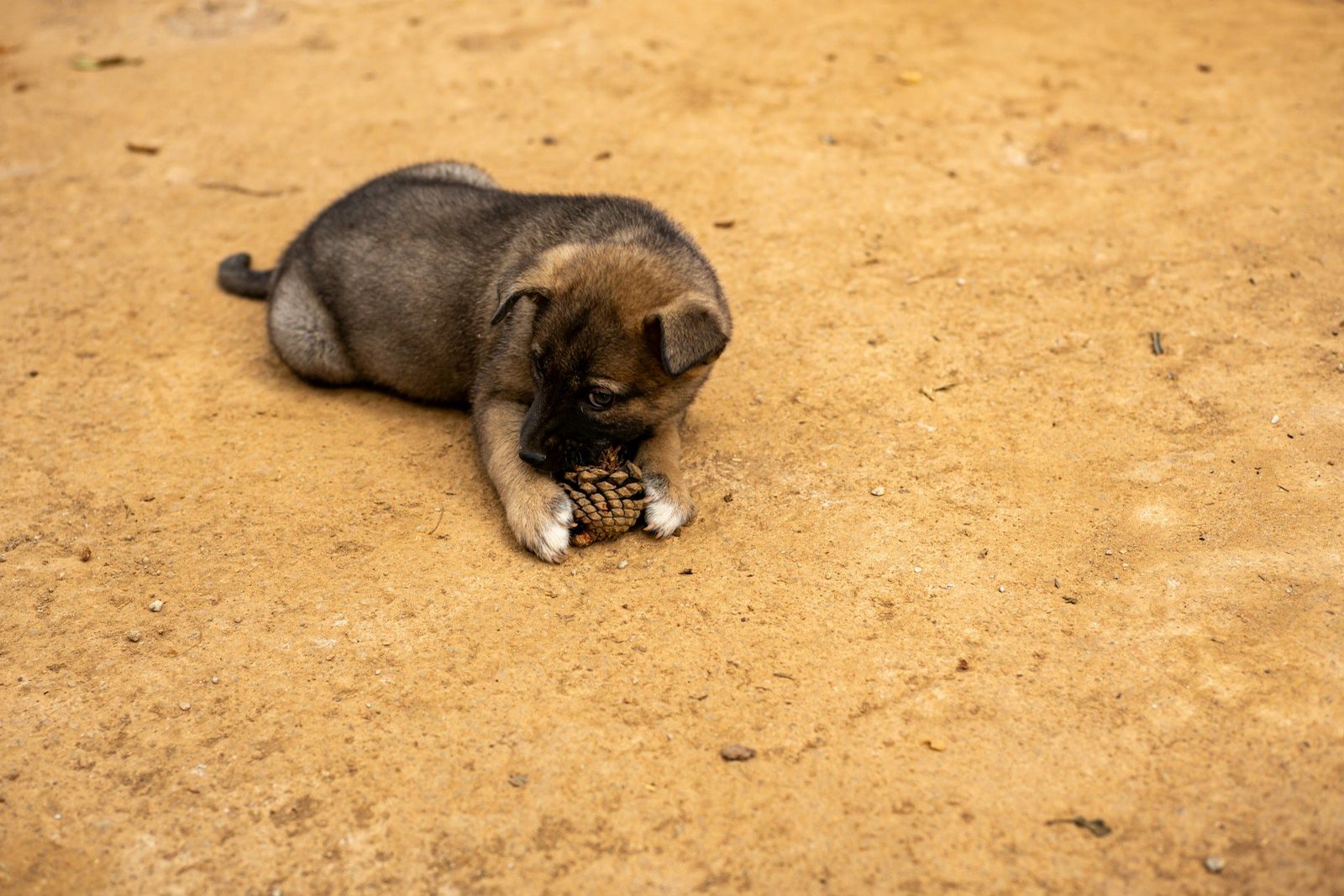
Dogs need to chew. Puppies chew to explore and soothe teething gums, and adult dogs chew to relieve boredom and stress. You can't stop chewing; you can direct it.
1. Manage the environment
- Puppy-proof: pick up shoes, socks, remote controls, kids' toys and anything you'd hate to lose.
- Protect cables with covers, or block access.
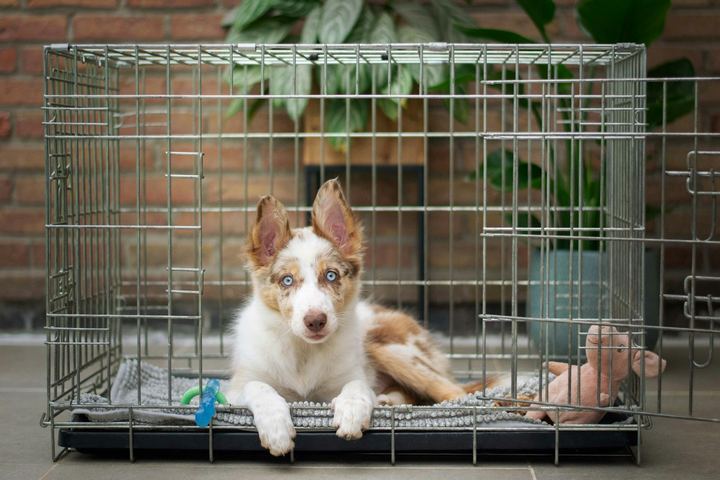
- Use a crate, pen or gates when you can't supervise.
- Keep trash and laundry behind closed doors.
2. Provide great chew options
Rotate a few types to keep them interesting:
- Rubber chew toys and food-stuffable toys, frozen for longer sessions Stuffable chew toys
- Edible chews sized for your dog, with supervision
- Frozen washcloths or teething toys for puppies
- Snuffle mats and puzzle feeders for mental work Puzzle feeders
Avoid cooked bones, antlers and very hard chews that can break teeth. A good rule: if you can't dent it with your fingernail, it's too hard.
3. Teach what to chew
When your dog picks up something they shouldn't:
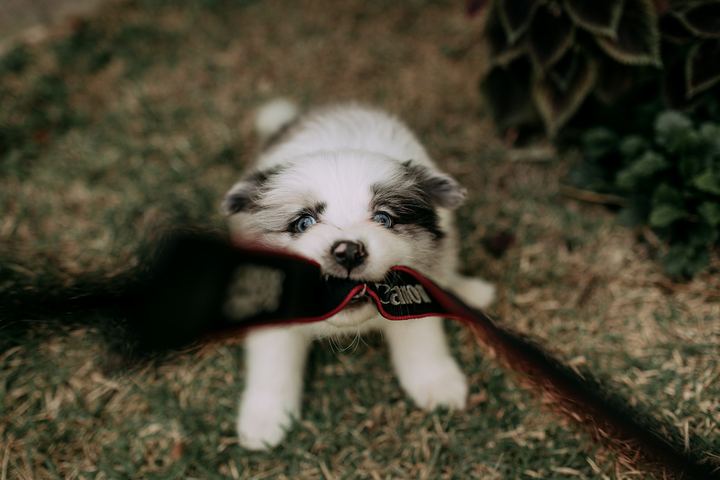
- Don't chase. It turns into a game.
- Trade: offer a tasty treat or a toy, and praise when they drop the item. See leave it and drop it.
- Give an appropriate chew right away.
Praise your dog whenever you see them chewing their own toys.
4. Meet their needs
A lot of destructive chewing happens when dogs are bored, under-exercised or anxious. Make sure your dog gets daily exercise, sniffing time and brain games.
If destruction happens only when your dog is alone, especially around doors and windows, it may be separation anxiety rather than boredom.
This guide is general information, not veterinary advice. If your dog is sick, hurt or acting unusually, call your veterinarian.