Puppy Socialization: Raising a Confident Dog
What socialization really means, the window you can't afford to miss, and how to do it safely before vaccines are finished.
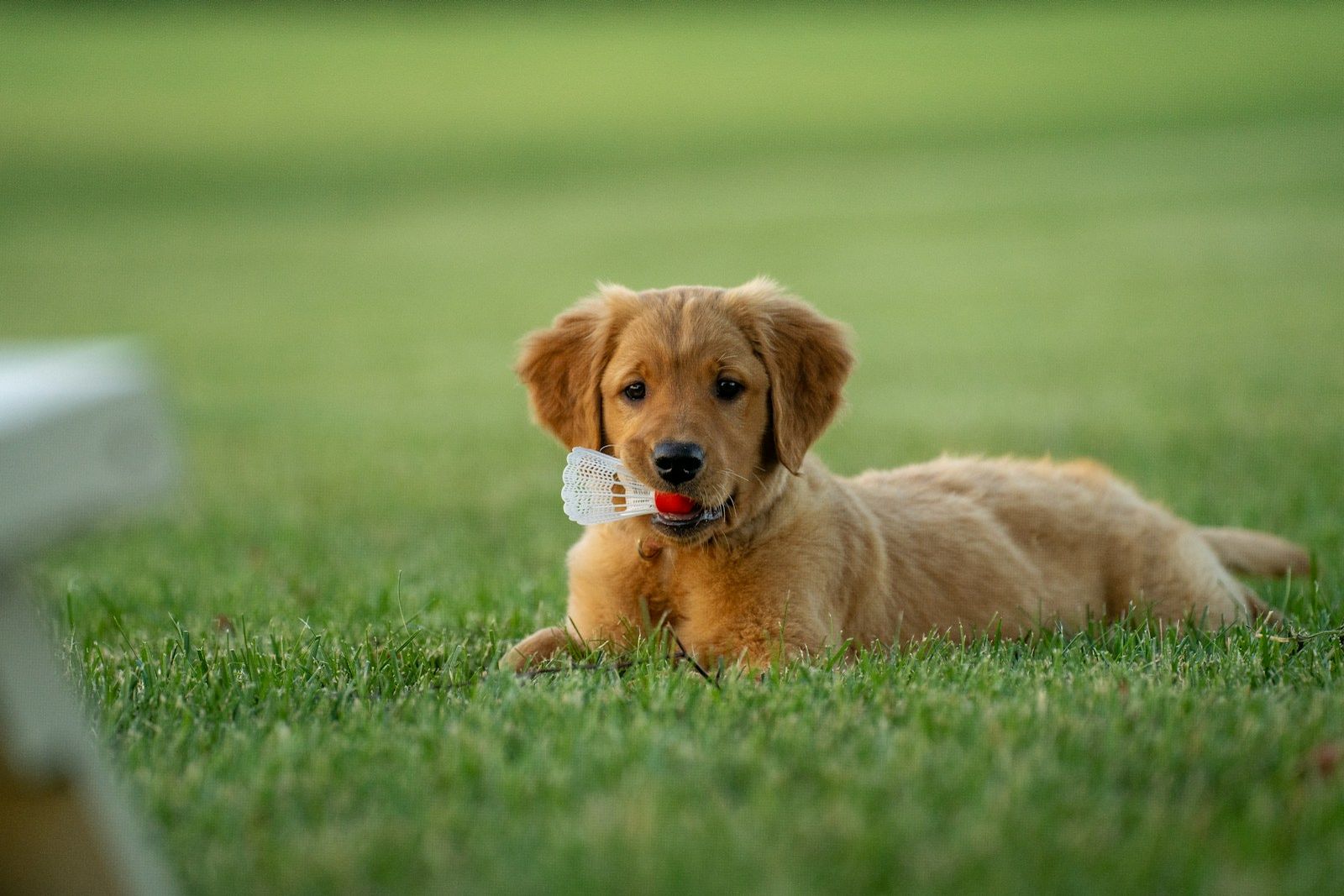
Socialization means giving your puppy positive experiences with the people, animals, places, sounds and handling they'll meet in life. Puppies who miss out are more likely to grow into fearful or reactive adults.
Track your progress with our free puppy socialization checklist.
The sensitive period
Puppies accept new things most easily from about 3 to 14 weeks of age. After that, new experiences are more likely to cause fear. That's why it matters to start as soon as you bring your puppy home.
But what about vaccines?
The window overlaps with the time when your puppy isn't fully vaccinated. Veterinary behavior experts recommend socializing anyway, safely, because behavior problems are a leading cause of dogs being given up. Ask your vet about your puppy's specific risks, and:
- Carry your puppy in public places, or use a stroller or sling.
- Avoid places where unknown dogs gather, like dog parks and pet store floors, until your vet says it's okay.
- Meet healthy, vaccinated adult dogs you know.
- Join a puppy class that requires vaccinations and keeps play supervised.
How to do it well
- Keep it positive. Pair every new experience with treats and calm praise.
- Start at a distance and let your puppy watch. Get closer only if they're relaxed.
- Watch body language. Tail tucked, ears back, freezing, hiding or trying to leave means it's too much. Move away and try again another day.
- Short and often beats long and overwhelming.
- Never force an interaction. Let your puppy choose to approach.
Don't forget
- Handling: paws, ears, mouth, brushing and nail trims.
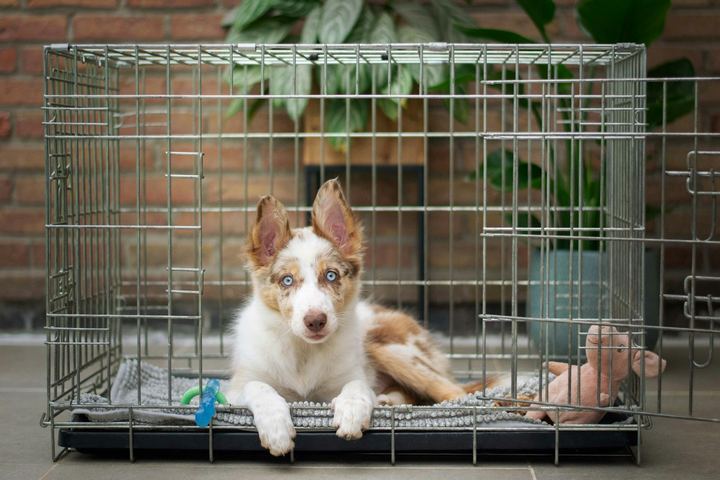
- Being alone: short periods in a crate or pen, so your puppy learns that alone is okay.
- Sounds: vacuum, traffic, doorbells and low-volume recordings of fireworks and thunder.
Socialization doesn't stop at 14 weeks. Keep giving good experiences through adolescence.
This guide is general information, not veterinary advice. If your dog is sick, hurt or acting unusually, call your veterinarian.