Leash Reactivity: Helping a Dog Who Barks and Lunges
Barking and lunging at dogs, people or traffic is usually fear or frustration. How to change how your dog feels, one safe distance at a time.
This guide contains affiliate links. If you buy through them we may earn a small commission at no cost to you. Details.
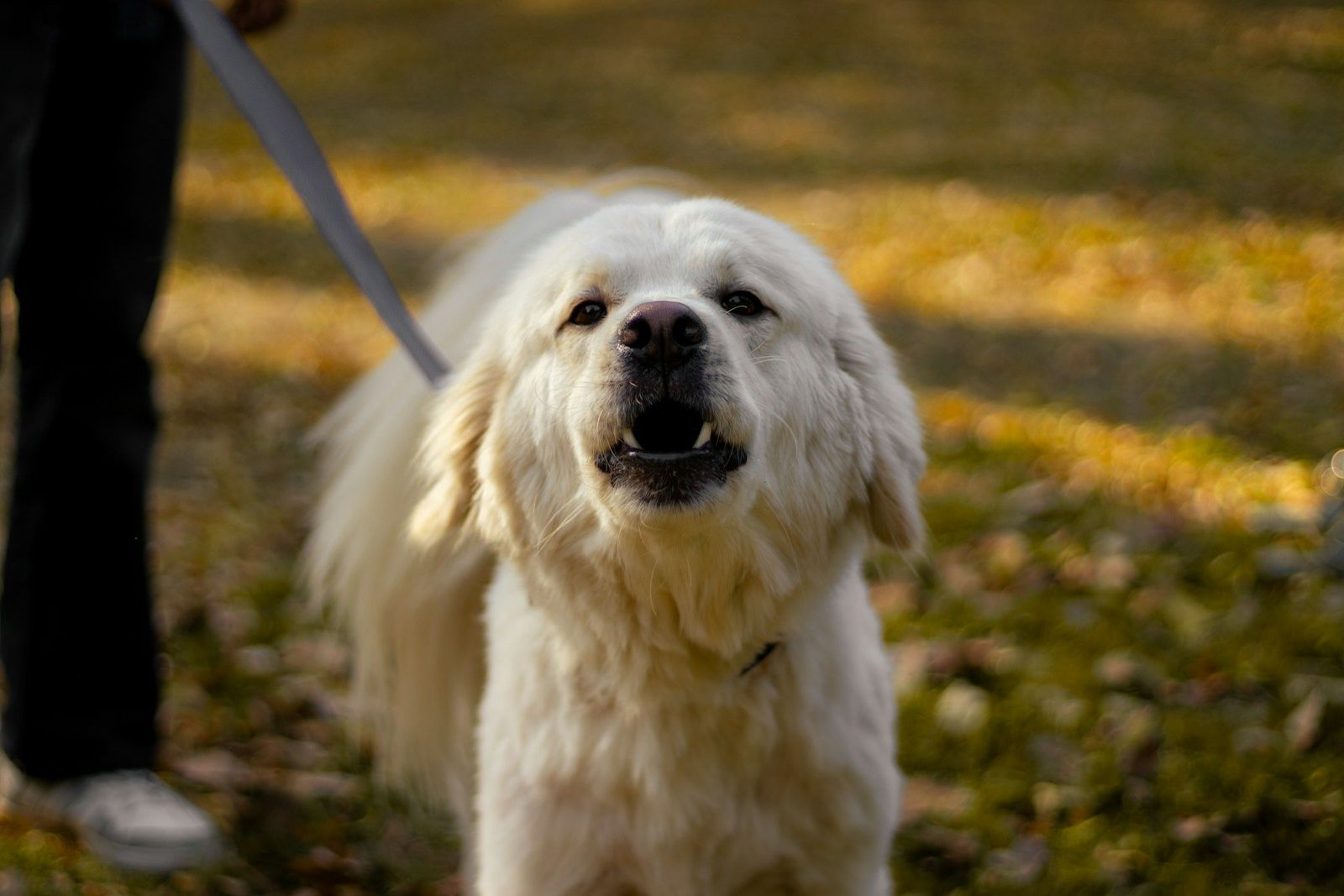
A reactive dog barks, lunges, growls or spins on the leash at triggers: other dogs, people, bikes or cars. It's common, and stressful for everyone. It's rarely about being "dominant." Most reactive dogs are afraid, frustrated (they want to greet and can't) or both.
Step 1: Find your dog's threshold
Your dog's threshold is the distance at which they notice the trigger but can still eat treats and respond to you. Closer than that, they "go over threshold" and can't learn. Training happens below threshold.
Step 2: Avoid rehearsals
Every outburst practices the behavior. For now:
- Walk at quieter times and places.
- Cross the street, turn around or step behind a parked car when a trigger appears.
- Use a front-clip harness for better control. Front-clip harnesses
Step 3: "Look at that" (change the feeling)
- At a safe distance, when your dog looks at the trigger, mark "yes!" and give a great treat.
- Repeat every time they notice it.
- Over time your dog starts looking at the trigger and then back at you, expecting a treat. That's the emotional change you want.
- Very gradually decrease the distance over many sessions.
Step 4: Teach useful moves
- U-turn: a cheerful "let's go!" and turn away, rewarded. Your escape plan.
- Name game and hand target to redirect attention. See engagement.
What not to do
- Don't punish growling or barking. It suppresses the warning without changing the fear, which can make bites more likely.
- Don't use prong or shock collars. Pain near triggers can make reactivity worse.
- Don't force greetings or flood your dog by taking them into busy places "to get used to it."
Get help
Reactivity is very workable, but it takes time. A qualified, reward-based trainer or veterinary behaviorist can help, especially if your dog has bitten or the reactions are intense. Ask your vet to rule out pain, which is a common hidden cause. Some dogs also benefit from anti-anxiety medication alongside training.
This guide is general information, not veterinary advice. If your dog is sick, hurt or acting unusually, call your veterinarian.