How to Stop Puppy Biting
Puppy biting is normal, but those needle teeth hurt. Why puppies bite and a plan that actually works.
This guide contains affiliate links. If you buy through them we may earn a small commission at no cost to you. Details.
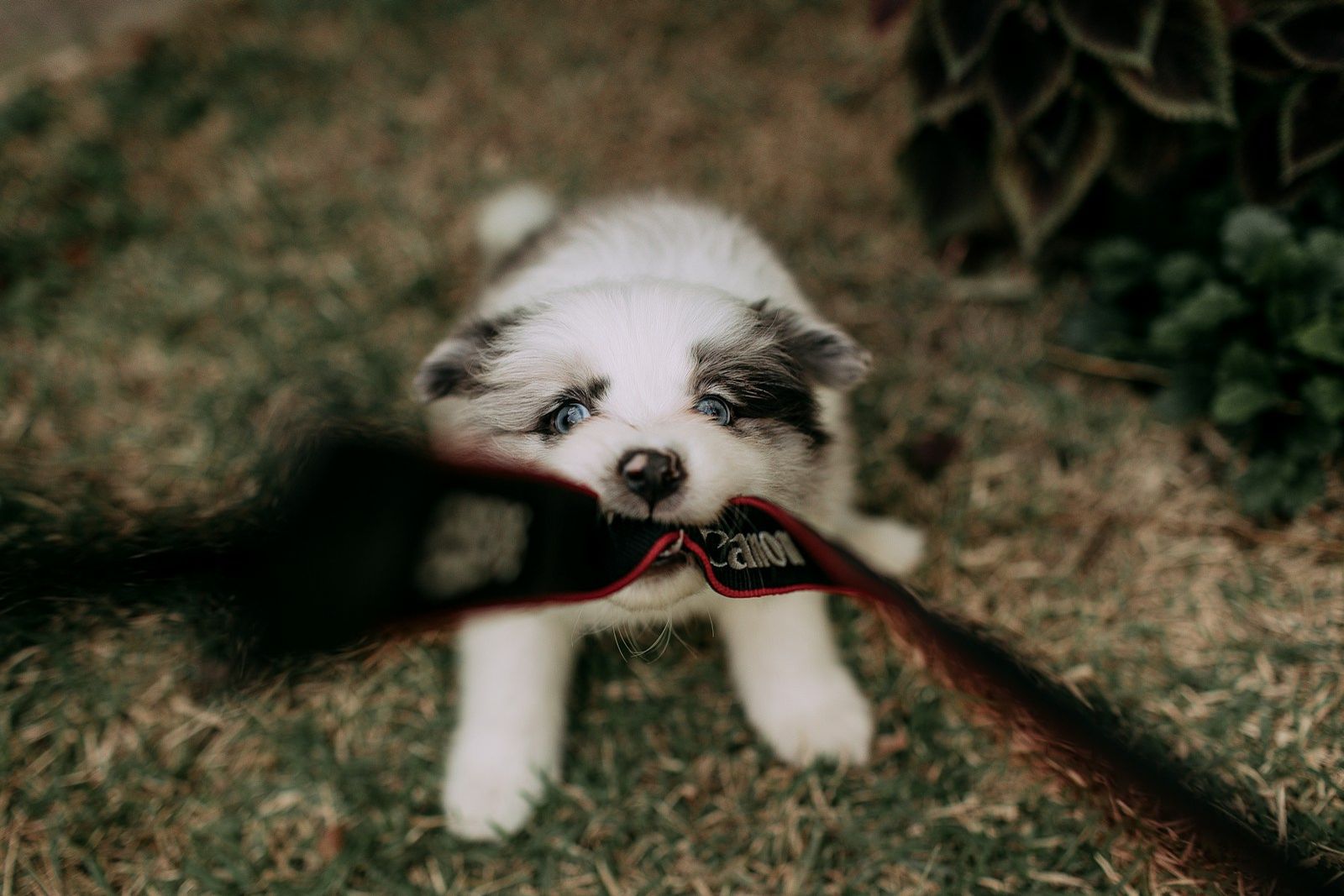
Puppies explore the world with their mouths, play-bite with their littermates and go through teething. Mouthing is normal. Your job isn't to stop it overnight, but to teach your puppy to be gentle and redirect it to toys. Most puppies grow out of the worst of it by around 5–6 months.
Why puppies bite more at certain times
- Overtired: puppies get bitey and wild when they need a nap, like toddlers. Puppies need 18 hours or more of sleep a day.
- Overexcited: rough play and wrestling wind them up.
- Teething: sore gums from about 3–6 months.
- Bored or under-exercised.
The plan
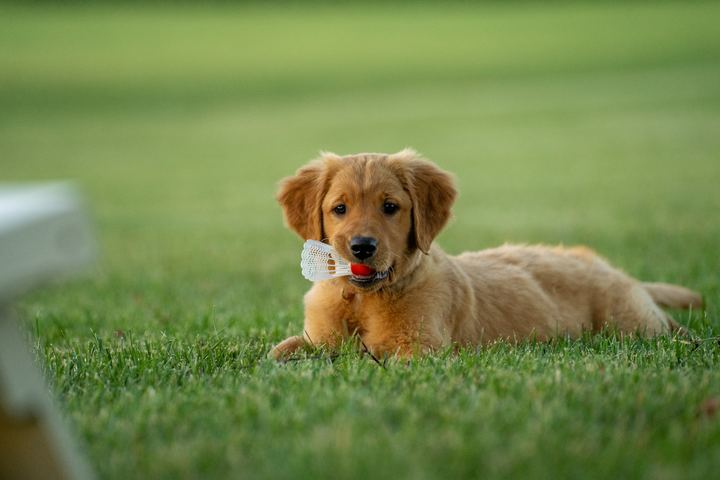
- Always have a toy ready. When your puppy goes for your hands, offer a tug toy or chew instead, and play with that. Puppy tug toys
- If teeth touch skin, pause. Say "ouch" calmly, stop playing and become boring for 10–20 seconds. Then offer the toy again.
- Still biting? Take a break. Calmly step over a baby gate or put your puppy in their pen with a chew for a few minutes.
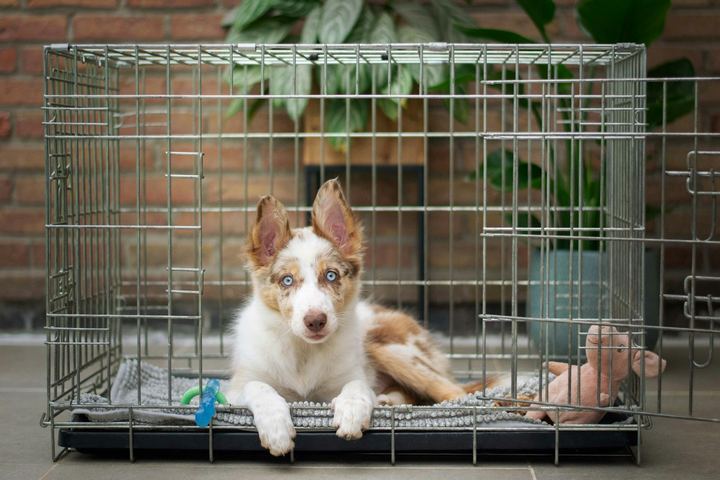
- Prevent overtiredness. Use regular naps in a crate or pen. If your puppy suddenly gets bitey and frantic, they probably need sleep.
- Give plenty of legal things to chew: rubber chew toys, frozen washcloths for teething, and stuffed food toys. Teething toys
- Reward calm, gentle behavior. Praise and treat your puppy when they lick or play softly.
What not to do
- Don't hit, hold the mouth shut or "alpha roll." It frightens puppies and can make biting worse.
- Don't encourage hand-wrestling games.
- Don't let kids run screaming while the puppy chases. Teach children to stand still "like a tree" and call an adult.
When to get help
Biting that's stiff and frozen rather than playful, growling over food or toys, biting when handled, or biting that's getting worse after 6 months should be checked by your vet and a qualified trainer or behavior professional.
This guide is general information, not veterinary advice. If your dog is sick, hurt or acting unusually, call your veterinarian.