Dog Aggression: What to Do and When to Get Help
Growling, snapping and biting usually come from fear, pain or guarding. How to stay safe, what not to do, and how to find the right help.
This guide contains affiliate links. If you buy through them we may earn a small commission at no cost to you. Details.
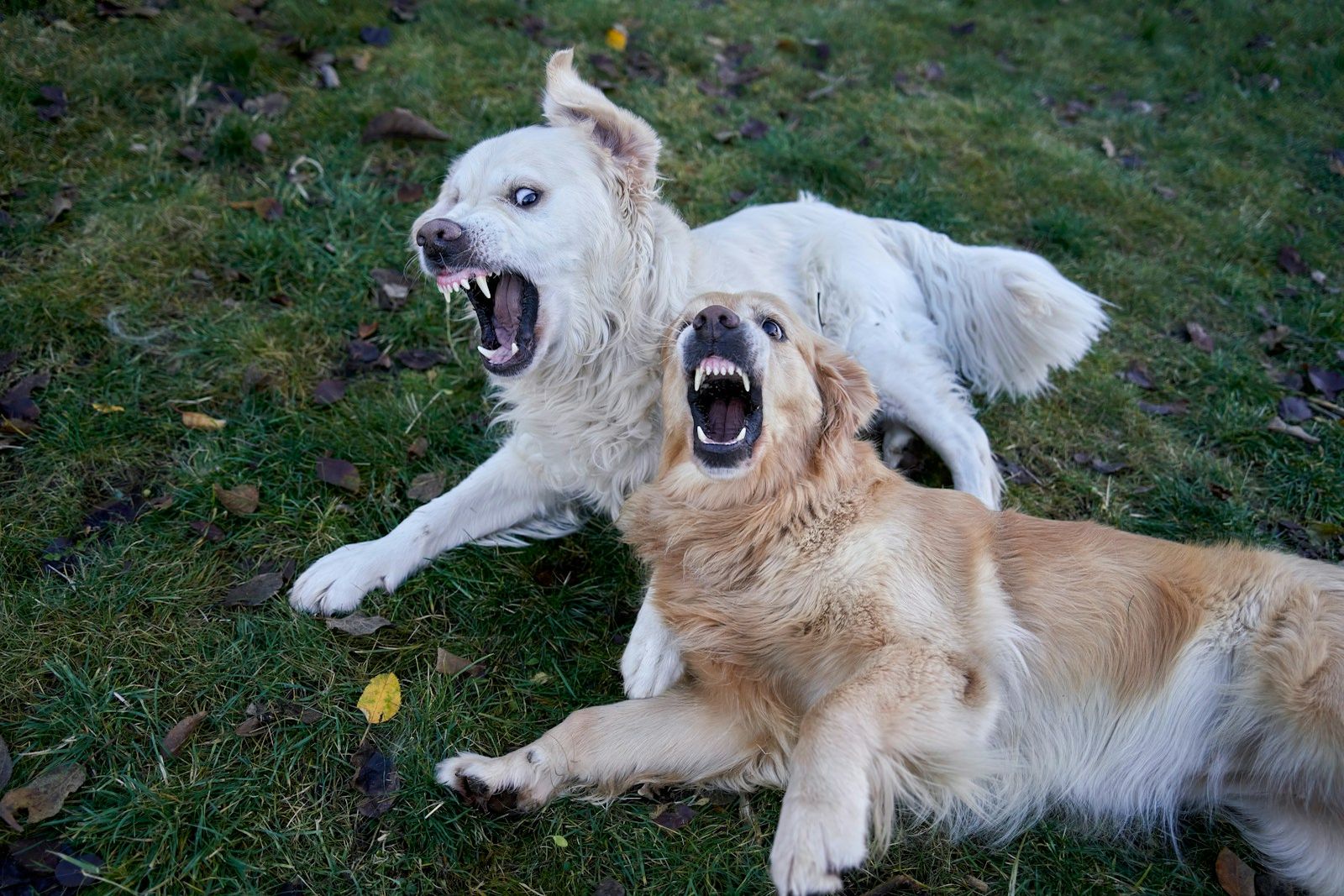
Aggression is a serious problem, and it's one where online advice has limits. This guide covers what you can do right away to keep everyone safe and how to find professional help. It's not a substitute for an in-person assessment.
Why dogs become aggressive
Most aggression is driven by:
- Fear: of people, other dogs, handling or situations
- Pain: a very common hidden cause, especially when aggression is new or sudden
- Guarding: food, toys, spaces or people (see resource guarding)
- Frustration: on leash or behind fences (see reactivity)
- Lack of socialization in puppyhood
It's rarely about "dominance."
Do this now
- See your vet to rule out pain or illness.
- Avoid triggers while you get help. Prevention stops the behavior getting more practiced.
- Manage: gates, crates, leashes and closed doors. Separate dogs who fight.
- Consider a basket muzzle if there's any bite risk. Train it with treats so your dog is comfortable wearing it. Basket muzzles
- Learn the warning signs: stiffening, freezing, hard stare, lip lifting, growling.
What not to do
- Don't punish growling. It's a warning. Take it away and some dogs bite without warning.
- Don't use shock, prong or "alpha" techniques. Research links confrontational methods to more aggression, and they put you at risk of being bitten.
- Don't force your dog to face their fears.
Finding the right help
Look for:
- A veterinary behaviorist (a vet with specialist training in behavior), especially for serious cases. Medication can be part of a plan.
- A certified behavior consultant or certified trainer who uses reward-based methods. See choosing a trainer.
Be wary of anyone who guarantees results, uses words like "dominance" and "pack leader," or recommends pain-based tools.
If your dog bites
Clean the wound and seek medical care. Separate the dog calmly. You may need to report the bite depending on local laws. Then get professional help before it happens again.
This guide is general information, not veterinary advice. If your dog is sick, hurt or acting unusually, call your veterinarian.