Resource Guarding: When Your Dog Guards Food or Toys
Stiffening, growling or snapping over food, toys or spaces is common and treatable. How to reduce it safely, and when to get help.
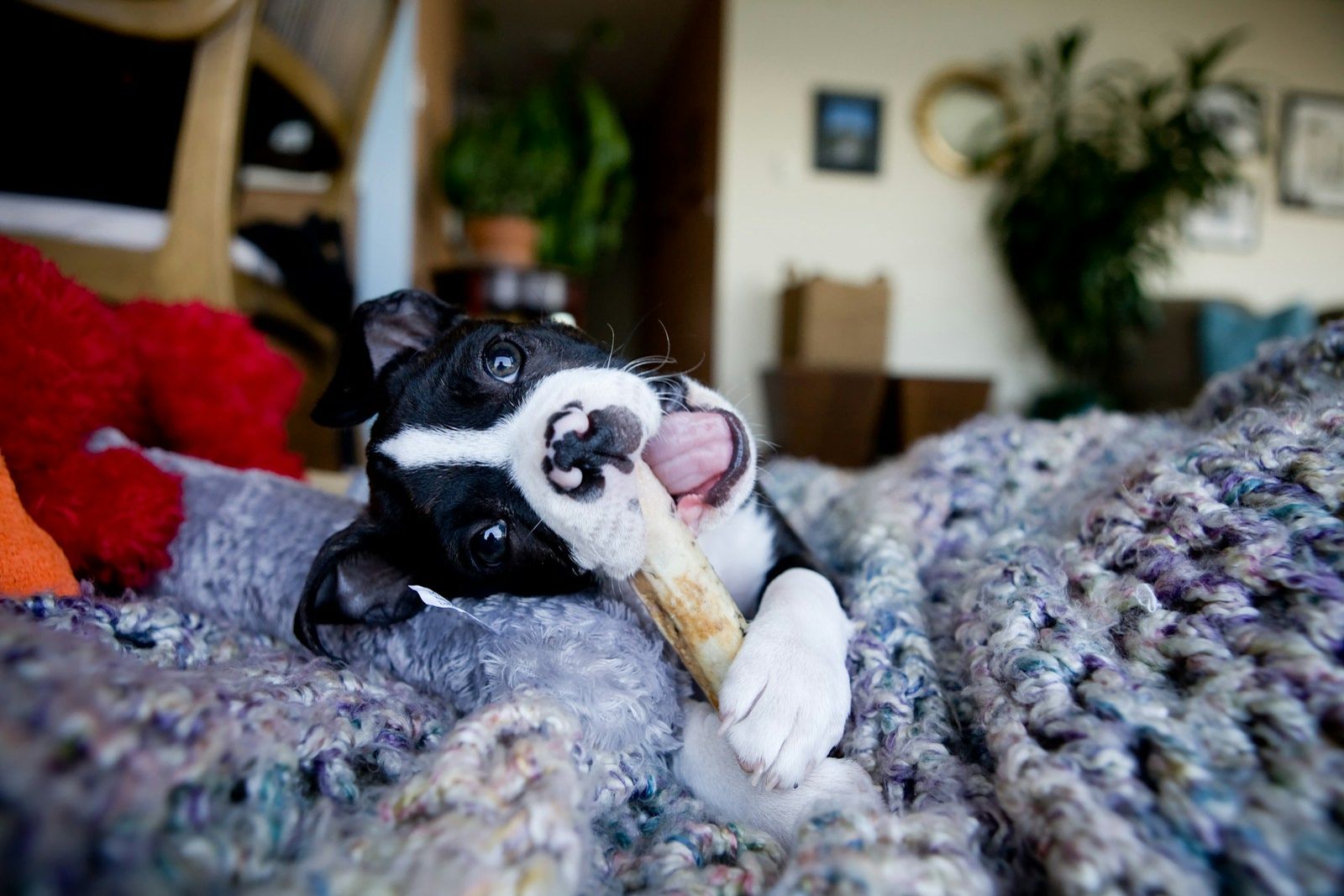
Resource guarding is when a dog tries to keep something valuable from others: food, bones, toys, stolen items, a bed or even a person. It's a natural behavior, but it can lead to bites, especially with children.
Signs
- Eating faster or freezing when someone approaches
- Hard stare, whale eye (showing the whites of the eyes), lip lifting
- Growling, snapping or biting
- Running off with items or hovering over them
Safety first
- Don't take things away or reach toward a guarding dog.
- Don't punish growling. It's a warning. Punishing it can teach your dog to skip the warning and bite.
- Manage: feed your dog alone, in a crate or behind a gate. Pick up high-value chews when kids or other dogs are around.
- Children should never approach a dog that's eating or chewing.
Changing how your dog feels
The goal is to teach your dog that people approaching their stuff means good things are coming, not that they're about to lose something.
- Start at a distance where your dog notices you but stays relaxed.
- Walk past and toss a high-value treat (better than what they have) near their bowl, then keep walking.
- Repeat over many sessions, gradually getting closer as your dog stays relaxed, or even looks happy to see you.
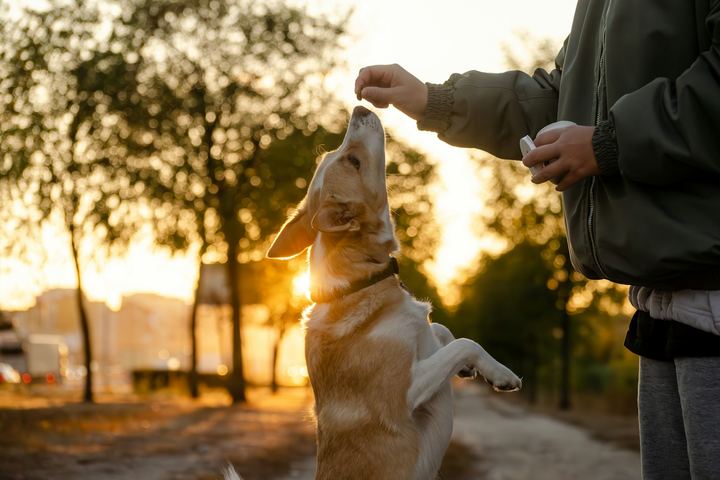
- Practice trades with low-value items: offer a great treat, praise when they drop the item, then give it back. See drop it.
Get professional help if
- Your dog has bitten, or the guarding is intense
- There are children in the home
- Your dog guards against other dogs and fights have happened
- You don't feel safe doing the exercises
A qualified, reward-based trainer or veterinary behaviorist can create a safe plan. Ask your vet to check for pain, which can make guarding worse.
This guide is general information, not veterinary advice. If your dog is sick, hurt or acting unusually, call your veterinarian.