How to Choose a Good Dog Trainer
Dog training is unregulated, so anyone can call themselves a trainer. What to look for, what to ask and the red flags.
In most places, anyone can call themselves a dog trainer or "behaviorist." A good trainer can transform life with your dog; the wrong one can make problems worse. Here's how to tell the difference.
Look for
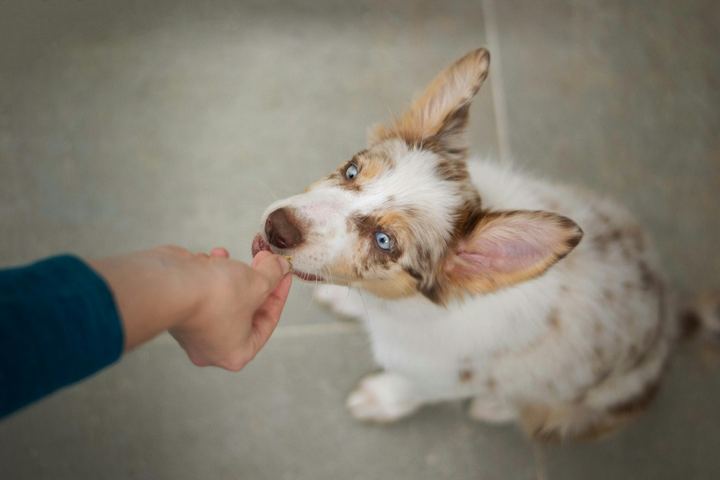
- Reward-based methods. They should use treats, toys and play, and be clear that they don't use pain, fear or intimidation.
- Credentials from independent organizations, such as certifications that require exams and continuing education. Look up the credential to see what it requires.
- Willingness to explain what they'll do and why.
- Welcome to observe: good trainers let you watch a class before signing up.
- Realistic promises. Behavior change takes time.
- Referrals to vets for behavior problems that could be medical.
For serious problems
For aggression, severe anxiety or phobias, look for a veterinary behaviorist (a veterinarian specializing in behavior) or a certified behavior consultant. Your vet can help with a referral.
Questions to ask
- What methods and equipment do you use? What happens when my dog gets it wrong?
- What are your qualifications, and how do you keep learning?
- Can I watch a class first?
- How do you handle a dog who is scared or reactive?
- Will you work with my vet if needed?
Red flags
- Shock, prong or choke collars, or "corrections"
- Talk of "dominance," "alpha" or "being the pack leader"
- Guaranteed results or "fixed in one session"
- Board-and-train programs that won't let you see how your dog is trained
- Flooding (forcing a dog to face fears until they "give up")
- Telling you to ignore warning signs like growling
Group classes or private sessions?
Group classes are great for puppies and basic manners. Private sessions are better for problem behaviors, reactive dogs and fearful dogs, who can be overwhelmed in a class.
This guide is general information, not veterinary advice. If your dog is sick, hurt or acting unusually, call your veterinarian.