Should You Let Your Dog Off the Leash?
How to tell when your dog is ready for off-leash time, where it's appropriate and how to build up safely.
This guide contains affiliate links. If you buy through them we may earn a small commission at no cost to you. Details.
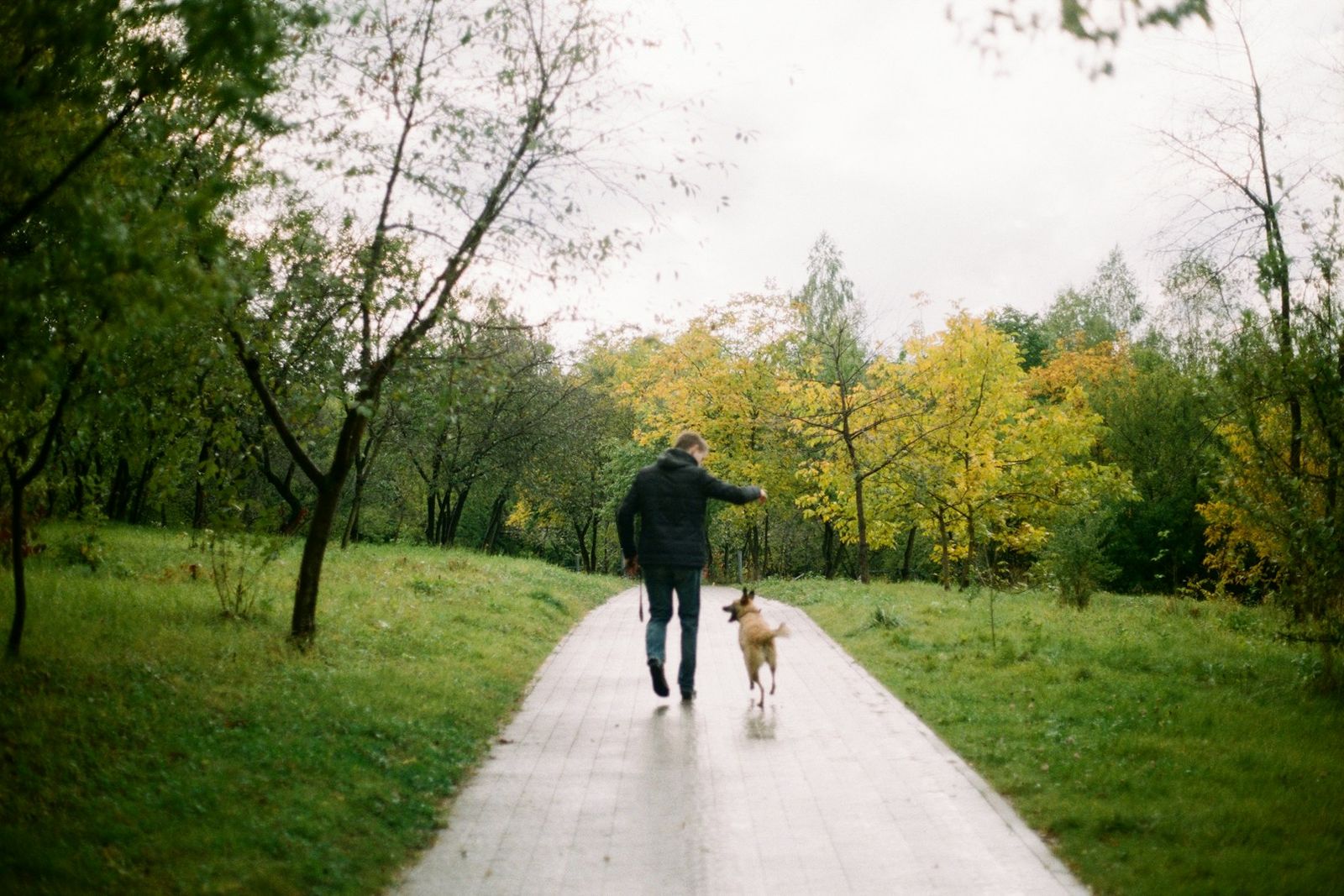
Off-leash time lets dogs run, sniff and explore in ways a leash can't match. But it's only safe and fair to others when your dog has the skills and the place is right.
Is your dog ready?
Your dog is likely ready when they:
- Come back reliably when called, even with mild distractions, practiced on a long line (see recall)
- Check in with you regularly without being asked
- Leave it reliably for food and interesting smells
- Don't chase wildlife, joggers, bikes or cars
- Are friendly or calmly indifferent to other dogs and people
If any of these aren't solid yet, keep using a long line. It gives your dog freedom while you keep control.
Is the place right?
- Check the rules. Leash laws are common, and many parks and beaches allow off-leash dogs only in designated areas.
- Avoid roads, livestock, nesting wildlife areas and busy paths.
- Be careful in fenced dog parks if your dog is nervous, very small or rough with others.
- Respect others. Not everyone loves dogs, and some dogs on leash are reactive or recovering from surgery. Call your dog back before they approach.
Building up
- Long line in open spaces. Practice recalls and check-ins.
- Drop the line and let it drag, so you can step on it if needed.
- Short off-leash periods in safe, quiet spaces, with lots of recalls and rewards.
- Gradually more time and more varied places.
Safety
- ID tags and a microchip with up-to-date contact details.
- Consider a GPS tracker for dogs who roam or bolt. GPS dog trackers
- Know your dog's limits. Scent hounds and sighthounds may never be reliable off leash near open land, and that's okay.
This guide is general information, not veterinary advice. If your dog is sick, hurt or acting unusually, call your veterinarian.