Positive Reinforcement: Why Reward-Based Training Works
What reward-based training actually is, what the research says, and why it's not "just bribing your dog."
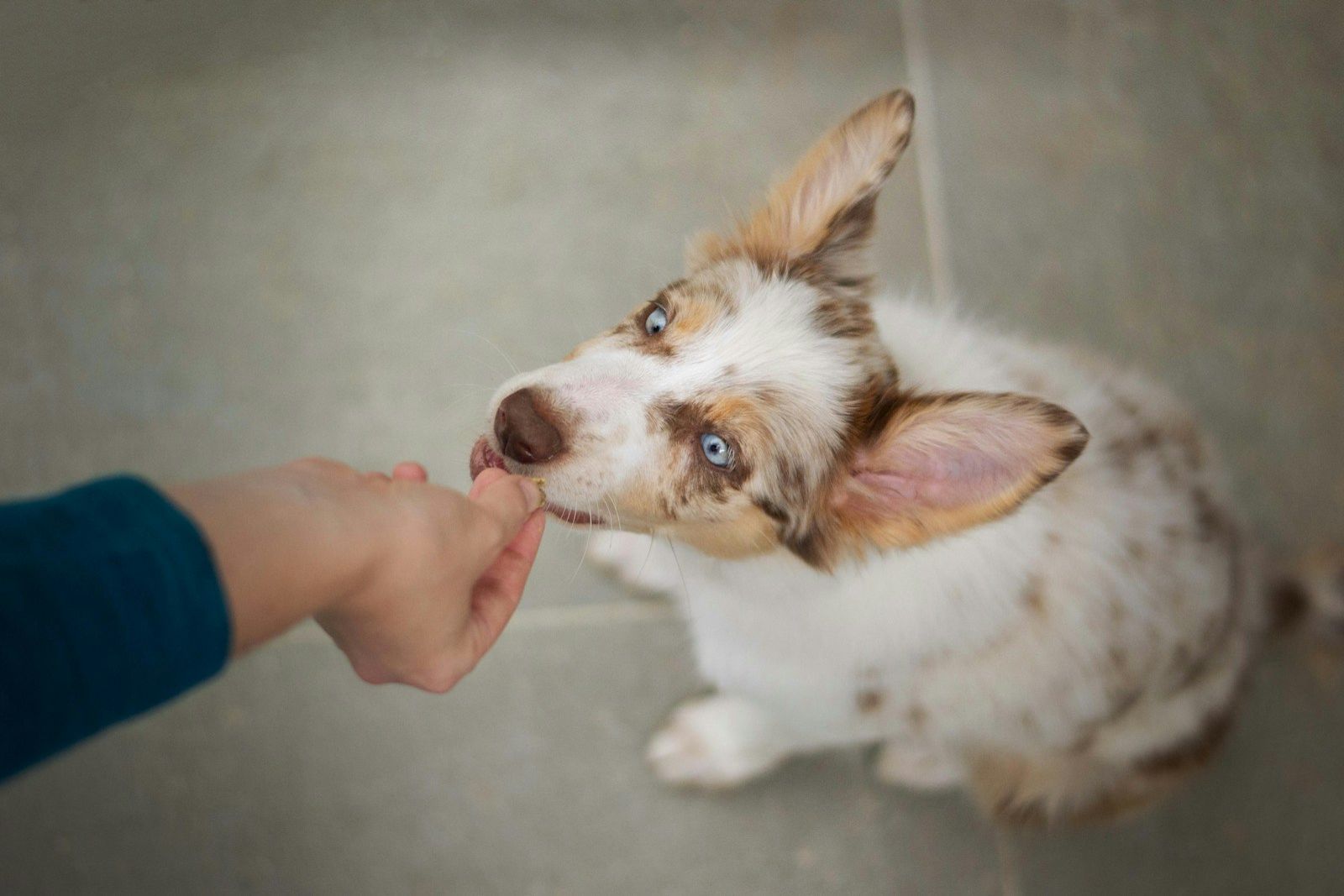
Positive reinforcement means adding something your dog likes (a treat, a toy, play, praise) right after a behavior, so that behavior happens more often. It's how most professional trainers, zoos and assistance dog organizations train animals today.
What the evidence says
Studies comparing training methods have found that reward-based training is at least as effective as punishment-based methods, without the downsides. Dogs trained with aversive methods (leash jerks, shock collars, yelling) show more signs of stress and fear, and confrontational techniques are linked to more aggression. Veterinary behavior organizations recommend reward-based methods for these reasons.
"Isn't it just bribery?"
No. A bribe is shown before the behavior to get it to happen. A reward comes after. Early on you may use a treat as a lure, but you fade it quickly so your dog responds to the cue, then rewards become less frequent and more varied.
How to use it well
- Timing: reward within a second or two, or mark the moment with a word or clicker.
- Value: match the reward to the difficulty. Kibble may work in the kitchen; chicken is needed at the park. See training treats.
- Rate: reward often while learning, then less often.
- Variety: use treats, toys, play, sniffing time and access to things your dog wants (like going through a door).
- Life rewards: ask for a sit before the ball is thrown, before dinner and before going outside.
What about bad behavior?
Reward-based training isn't permissive. Instead of punishing, you:
- Manage so your dog can't practice the problem (leashes, gates, crates).
- Teach an alternative behavior that can't happen at the same time (sit instead of jump).
- Remove the reward for the unwanted behavior (turning away from jumping, for example).
- Meet the underlying need (exercise, chewing, rest).
Track progress with our printable training log, and keep treat calories in check with the treat calorie calculator.
This guide is general information, not veterinary advice. If your dog is sick, hurt or acting unusually, call your veterinarian.