How to Get Your Dog to Listen to You
A dog who ignores you isn't being stubborn. Building attention and engagement is the foundation for every other skill.
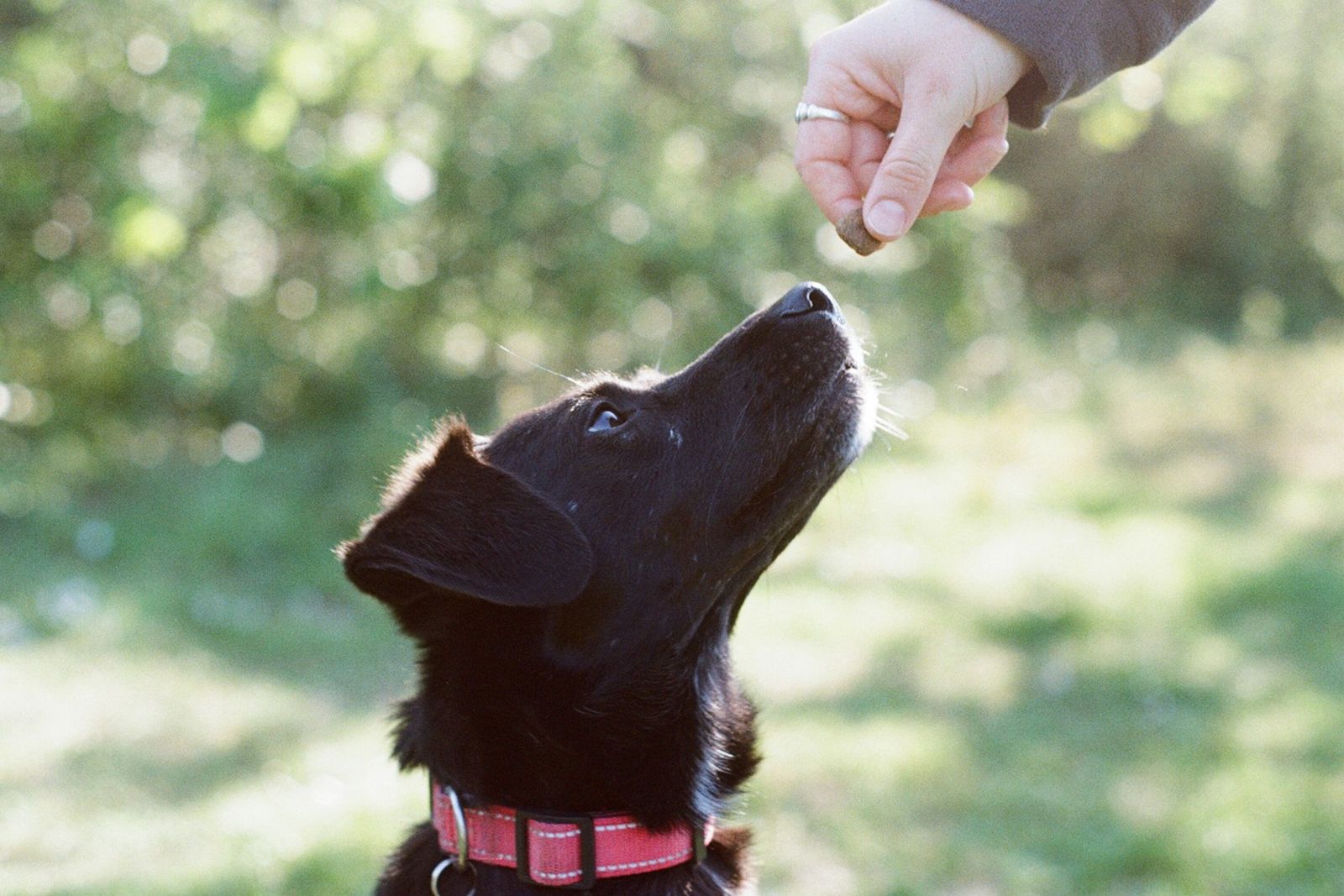
If your dog seems to ignore you, especially outside, the problem is usually that the world is more interesting than you are right now. Engagement training makes paying attention to you a habit that pays.
The name game
- In a quiet room, say your dog's name once in a happy voice.
- The instant they look at you, say "yes!" and reward.
- Repeat 10 times a session, a few sessions a day.
- Move to slightly busier places: the garden, the driveway, a quiet street.
Never use your dog's name to scold them.
Reward check-ins
Whenever your dog looks at you on their own, especially on walks, mark it and reward. You're teaching that checking in with you is a great idea. Soon your dog will offer it constantly.
Make yourself interesting
- Play with a tug toy or a quick game of chase on walks.
- Scatter a few treats for your dog to sniff out.
- Change direction cheerfully and reward when they follow.
- Hand-feed part of meals during short training sessions to build a strong food-reward habit.
Check the basics
Dogs struggle to listen when they're:
- Over threshold: too close to something exciting or scary. Move further away.
- Under-exercised or bored.
- Confused: the cue means different things to different people, or it's been repeated so often it's background noise.
- Not motivated: a dry biscuit can't compete with a squirrel. Use better rewards outdoors.
- In pain or unwell: a sudden change in responsiveness is worth a vet check.
Practice ideas
- Five name-game reps before every walk
- Reward every voluntary check-in for a week, and watch them increase
- A 2-minute training game in each room of the house
Next: teach the basics and come when called.
This guide is general information, not veterinary advice. If your dog is sick, hurt or acting unusually, call your veterinarian.