Can You Teach an Old Dog New Tricks?
Yes. Older and adopted adult dogs learn throughout life. How to adapt training for older dogs and the benefits for their brains.
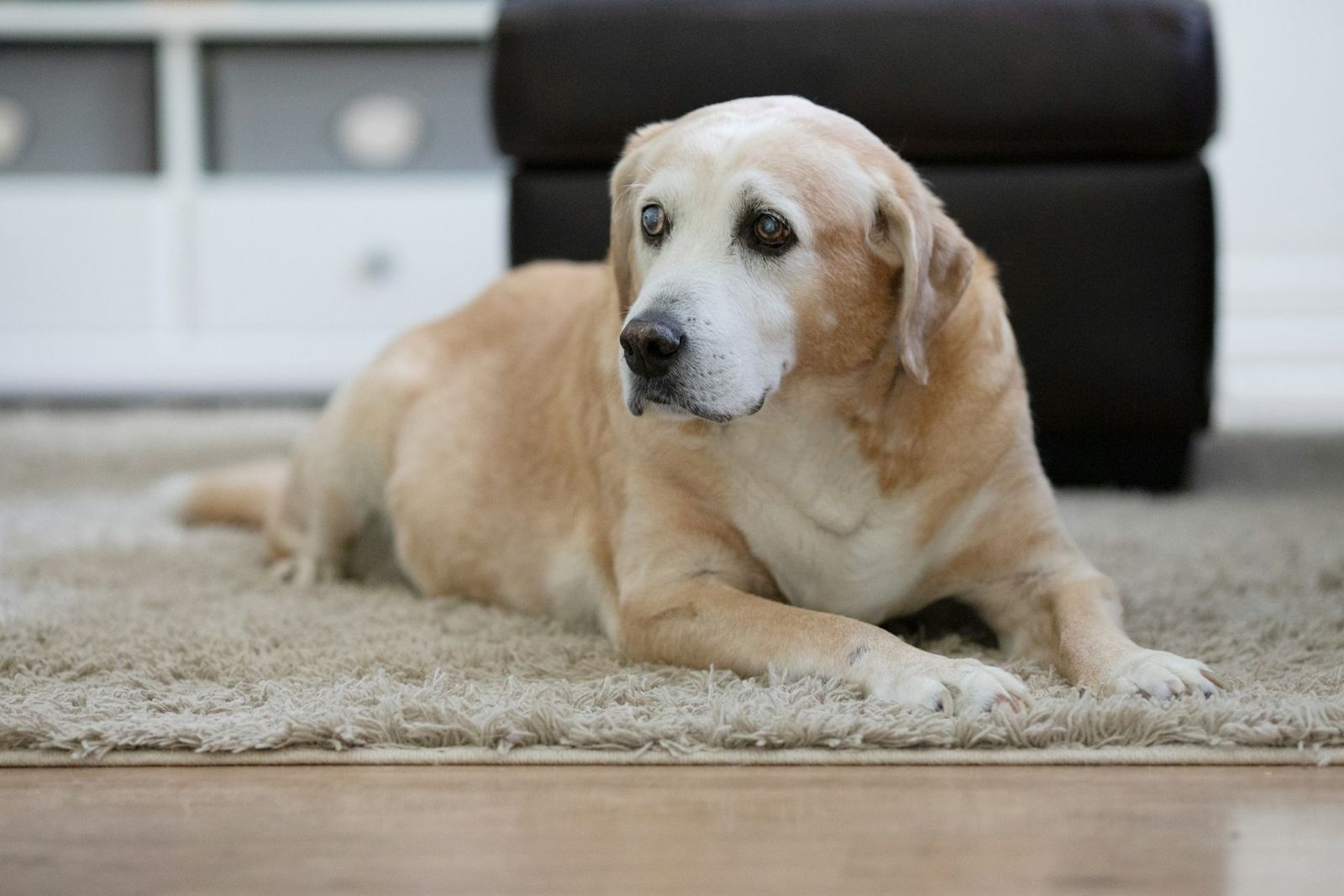
Dogs keep learning throughout their lives. Adult and senior dogs often focus better than puppies, and training keeps older brains active, which may help slow cognitive decline.
Training adult rescue dogs
Adopted adult dogs may come with unknown histories, old habits or fears.
- Give them time to settle. Many rescue dogs need weeks to decompress before their real personality shows.
- Start with the basics: name, sit, come and a comfortable crate or bed.
- Expect some unlearning. Old habits take longer to change than new ones take to learn, so manage the environment while you train.
- Go gently with fears. Never force interactions.
Adapting training for senior dogs
- Check with your vet about pain, vision and hearing changes.
- Keep sessions shorter and lower-impact.
- Use hand signals for dogs with hearing loss, and your voice and scent games for dogs with vision loss.
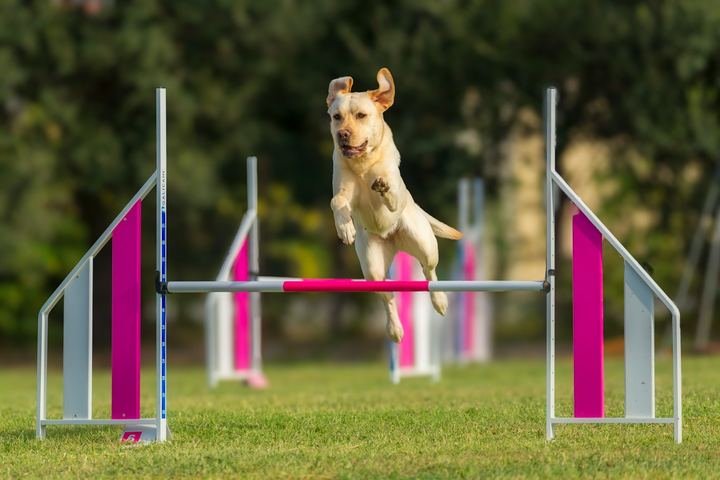
- Choose soft surfaces and avoid tricks that involve jumping, twisting or standing on hind legs.
- Use soft, smelly treats, watching total calories. See the treat calorie calculator.
Great activities for older dogs
- Nose work and "find it" games
- Puzzle feeders and snuffle mats
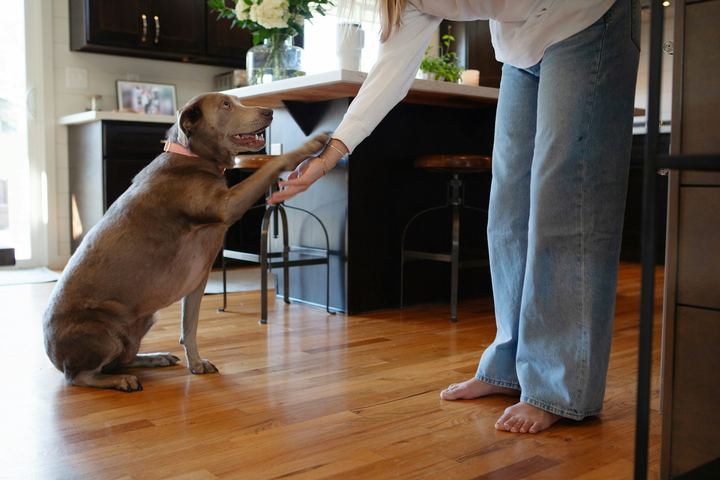
- Gentle tricks: hand target, chin rest, "touch" objects
- Slow sniff walks
- Learning toy names
See brain games and easy tricks.
Watch for changes
Confusion, getting stuck in corners, night-time restlessness and forgetting well-known cues can be signs of canine cognitive dysfunction. Talk to your vet: there are treatments and management strategies that help.
This guide is general information, not veterinary advice. If your dog is sick, hurt or acting unusually, call your veterinarian.